
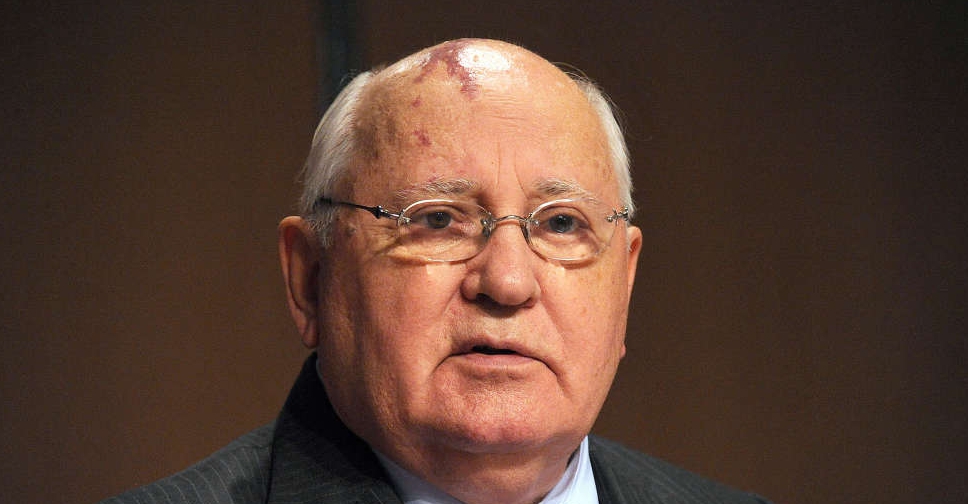
Mikhail Gorbachev, who ended the Cold War without bloodshed but failed to prevent the collapse of the Soviet Union, died on Tuesday at the age of 91, hospital officials in Moscow said.
Gorbachev, the last Soviet president, forged arms reduction deals with the United States and partnerships with Western powers to remove the Iron Curtain that had divided Europe since World War Two and bring about the reunification of Germany.
But his broad internal reforms helped weaken the Soviet Union to the point where it fell apart, a moment that President Vladimir Putin has called the "greatest geopolitical catastrophe" of the twentieth century.
"Mikhail Gorbachev passed away tonight after a serious and protracted disease," Russia's Central Clinical Hospital said in a statement.
Putin expressed "his deepest condolences", Kremlin spokesman Dmitry Peskov told Interfax news agency.
"Tomorrow he will send a telegram of condolences to his family and friends," he said.
Putin said in 2018 he would reverse the collapse of the Soviet Union if he could, news agencies reported at the time.
World leaders were quick to pay tribute. European Commission chief Ursula von der Leyen said Gorbachev had opened the way for a free Europe.
British Prime Minister Boris Johnson, said Gorbachev's "tireless commitment to opening up Soviet society remains an example to us all".
After decades of Cold War tension and confrontation, Gorbachev brought the Soviet Union closer to the West than at any point since World War Two.
Gorbachev won the Nobel Peace Prize in 1990.


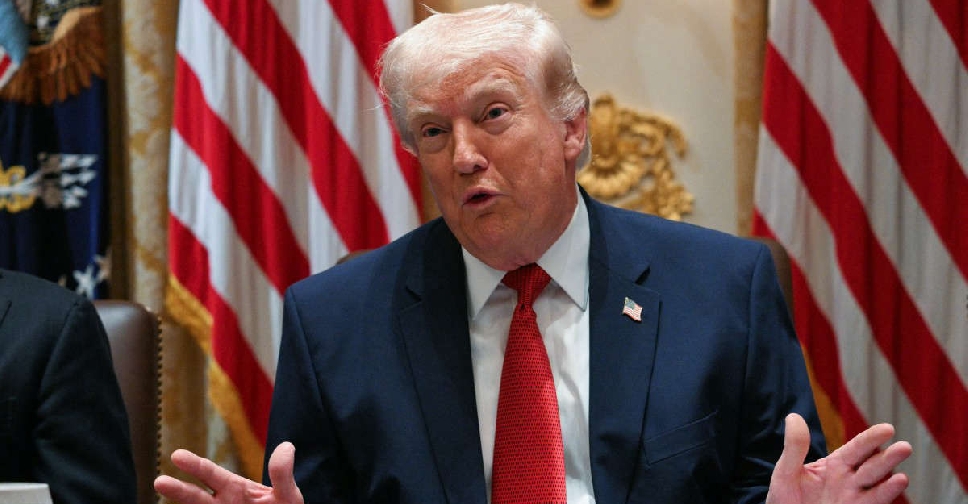 Trump extends deadline for striking Iran's energy plants to April 7
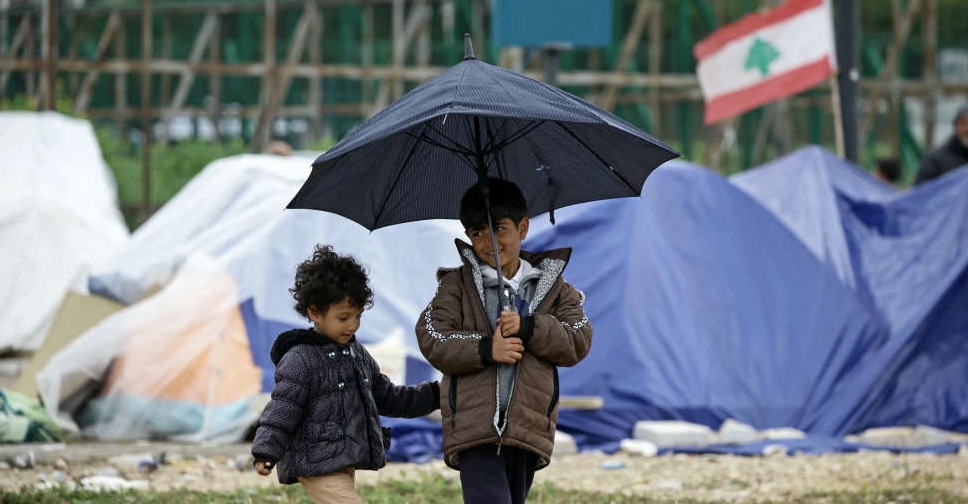 Israeli evacuation orders uproot 370,000 children in Lebanon, UN says
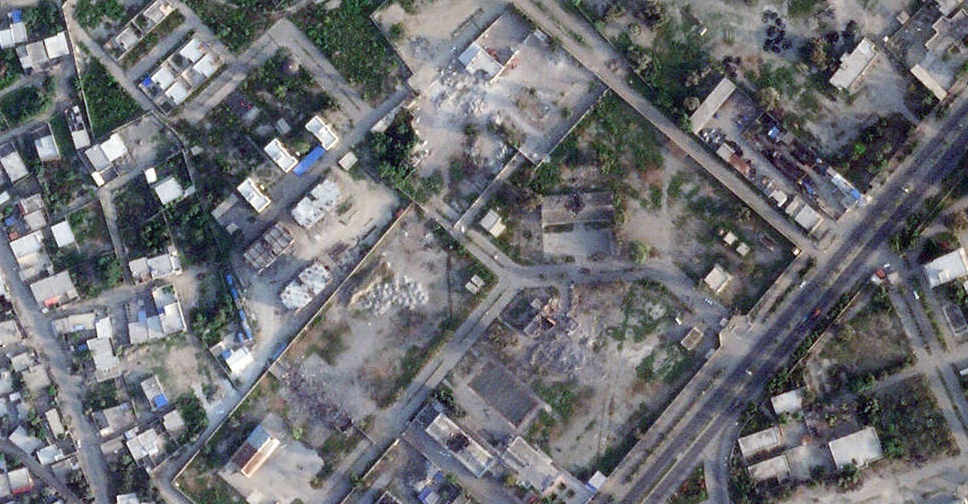 UN rights chief urges US to conclude probe into deadly Iran school strike
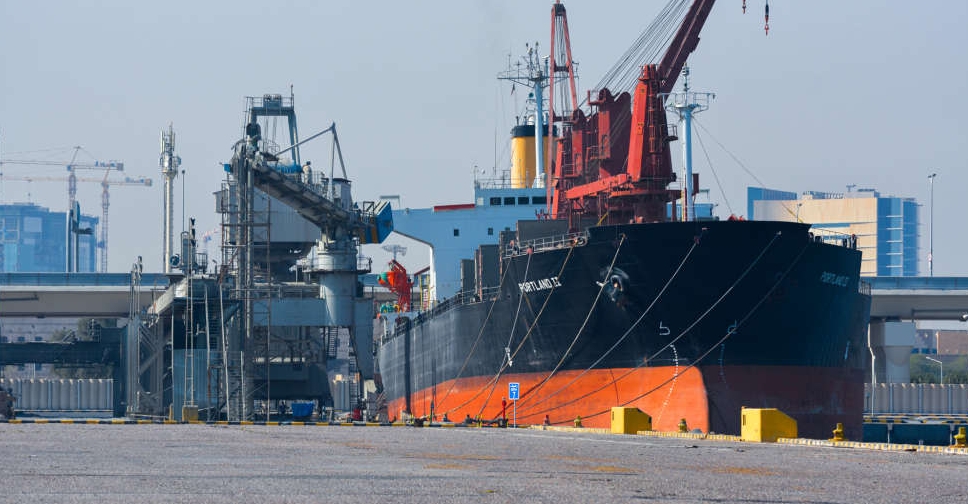 No injuries reported as Kuwait Shuwaikh Port comes under drone attack
 IRGC-linked cells targeting Bahrain referred to Criminal Court